Infrared Illumination: Enhanced Nighttime Visibility
Infrared illumination is a pivotal feature of night vision dash cams, employing IR LEDs to enhance visibility in the dark. It is particularly beneficial for semi-truck and commercial fleet dash cams, ensuring clear footage even in pitch-black conditions—such as unlit rural roads or poorly lit yards. While the infrared range may be limited (often 5–15 meters depending on model), high-end night vision dash cams for truckers offer extended reach for broader coverage. This feature is indispensable for capturing essential footage in low-light conditions and is a top priority when comparing options for long-haul or night-shift driving.
High-Sensitivity Sensors: Superior Low-Light Capture
High-sensitivity image sensors are at the core of a night vision dash cam, designed to operate in dim environments and capture more light per frame. Modern 2026 standards, such as the Sony STARVIS 2 sensor, have revolutionized this category. STARVIS 2 technology specifically enhances the signal-to-noise ratio in near-infrared light, providing clearer license plate capture in pitch-black rural environments compared to older sensors.
Sony STARVIS 2 vs. STARVIS 1 (2026 Comparison)
| Technical Specification | STARVIS 1 (Legacy Tech) | STARVIS 2 (Current Standard) | Trucking Impact |
|---|---|---|---|
| NIR Sensitivity | Baseline (1.0x) | 2.0x to 2.5x Increase | Detects hazards in unlit shipping yards at 2x distance. |
| HDR Processing | Multi-Exposure (Motion Blur) | ClearHDR (Single-Exposure) | Captures sharp plates on vehicles moving at highway speeds. |
| Signal-to-Noise Ratio | Standard Gain | +8dB SNR Improvement | Eliminates “graininess” in pitch-black rural driving. |
| Aperture Threshold | f/2.0 or higher | f/1.4 to f/1.8 | Maximizes photon intake for high-speed night recording. |
Modern sensors help guarantee that details such as license plates, road signs, and hazards are captured even under challenging lighting. While increased sensitivity can lead to grainier images in some models, modern noise reduction (2D/3D NR) can mitigate this. High-sensitivity sensors are crucial for low-light performance and are a key differentiator when choosing a night vision dash cam for semi trucks.
Extended Night Vision: Broadened Visual Range
A powerful night vision dash cam extends its effective range into the darkness, clearly capturing distant objects and road geometry. This capability is vital for semi-truck drivers who need to identify road conditions, obstacles, and hazards preemptively. Although effective range is limited by physics and sensor size, dash cams with adjustable IR strength and exposure offer the flexibility needed for varied routes. Extended night vision supports comprehensive nighttime monitoring and gives truckers a broader perspective for safety and evidence.
High-Resolution Imaging: Crisp Nighttime Details
High-resolution recording (e.g., 1080p or 4K) is essential for capturing sharp details at night—critical for incident analysis and legal protection. This is especially important for HD video recording in low light, where resolution and bit rate directly affect readability of plates and faces. The trade-off of higher resolution is increased storage demand; efficient compression (e.g., H.265) and high-endurance cards help address this. Image clarity at night is crucial for truckers who depend on their dash cams for evidence and fleet compliance.
Smart Night Mode: Seamless Transition
The transition from day to night is effortless with smart night mode, which automatically fine-tunes the dash cam’s settings—such as exposure, gain, and sometimes IR—for optimal nighttime recording. This feature simplifies operation and ensures the camera is ready to record around the clock without driver input. While automatic switching is convenient, it may not always match every lighting scenario (e.g., tunnels or dawn/dusk); many night vision dash cams for truck drivers offer manual overrides or sensitivity settings. Smart night mode is a user-friendly feature that adapts to changing natural light and is especially valuable for long-haul routes.
Dynamic Light Balancing: WDR and HDR Engineering
Wide Dynamic Range (WDR) and High Dynamic Range (HDR) technology help night vision dash cams balance light in dark and bright areas within the same scene—for example, oncoming high-beams and dark pavement. Standard WDR handles basic contrast, but 2026-spec multi-exposure HDR ensures that license plates aren’t “blown out” by your own headlights, maintaining detail across the entire luminosity spectrum. This is essential for maintaining visual quality in diverse lighting and is a critical feature to look for in a night vision dash cam for truckers.
Camera Lens Aperture: Optimized Light Intake
A large aperture lens (e.g., f/1.4 to f/1.6) is fundamental to a night vision dash cam, allowing more light to reach the sensor and improving recording quality in low light. The difference between an f/1.8 lens and an f/1.4 lens can be up to 50% more light transmission, which is particularly beneficial in unlit or poorly lit scenarios, yielding clearer footage. Larger apertures can reduce depth of field, but for dash cams focused on the road ahead this is rarely an issue. High-speed, large aperture lenses enhance low-light performance and give truckers a clearer view during nighttime drives.
Glare Reduction: Effective Night Vision Filters
Night vision filters, including IR cut filters that switch by day/night, minimize glare and enhance contrast for clearer night vision. They improve recording quality by maintaining visibility and detail when facing oncoming headlights or reflections. Filters may need adjustment in mixed or transitional light; dash cams with automatic filter switching or software-based glare reduction offer a solution. Night vision filters are a key attribute for reducing flare and improving contrast in night recordings.
Custom Brightness: Adjustable Exposure Settings
Manual or semi-manual exposure control allows truckers to tailor the brightness of their night vision recordings to the environment—for example, darker highways vs. well-lit city streets. This customization supports optimal brightness and reduces over- or underexposure. Manual adjustments can be inconvenient while driving; dash cams with intelligent exposure algorithms or presets provide a practical alternative. Adjustable exposure gives critical control over recording brightness and helps truckers fine-tune their dash cams for the best footage.
Versatile Recording: Multiple Night Modes
Multiple night recording modes (e.g., normal night, low-light, parking) allow truckers to adapt their dash cams to the current driving or parked conditions. This versatility helps ensure the most suitable mode is used for evidence and storage efficiency. Manual mode switching can be distracting; dash cams with automatic or schedule-based mode selection alleviate this. Multiple night vision recording modes enhance the adaptability of truck dash cams and help drivers navigate the darkness safely.
Frequently Asked Questions About Night Vision Features
With an understanding of the advanced features that night vision dash cams offer to semi truck drivers, here are answers to common questions.
1. What is infrared illumination in the context of truck dash cameras?
Answer: Infrared illumination in the context of truck dash cameras refers to using IR LEDs to enhance visibility and recording capabilities in low-light or dark conditions, ensuring clear footage even when natural light is unavailable.
2. How do high-sensitivity sensors improve night vision dash cam performance?
Answer: High-sensitivity sensors improve night vision dash cam performance by capturing more light and providing clearer, more detailed footage in dimly lit environments, which is crucial for truckers driving at night.
3. What is the benefit of having extended night vision in a dash camera for long-haul drivers?
Answer: The benefit of having extended night vision in a dash camera for long-haul drivers is the ability to capture a broader visual range, allowing for early detection of road conditions and potential hazards and enhancing safety during nighttime driving.
4. Why is high-resolution imaging necessary for HD video recording in dash cams?
Answer: High-resolution imaging is essential for HD video recording in dash cams because it ensures that the footage captured is crisp and detailed, providing essential evidence for incident analysis and legal protection.
5. Can you explain smart night mode and how it benefits semi-truck drivers?
Answer: Smart night mode is an automatic feature that adjusts the dash cam’s settings for optimal recording in low-light conditions, benefiting semi-truck drivers by simplifying operation and ensuring the camera is always ready to record, regardless of the time of day.
6. How does Wide Dynamic Range (WDR) technology enhance night vision dash cam footage?
Answer: Wide Dynamic Range (WDR) technology enhances night vision dash cam footage by balancing the light levels in the video’s dark and bright areas, ensuring that details are visible even in contrasting lighting conditions.
7. What role does the camera lens aperture play in night vision dash cams for truckers?
Answer: The camera lens aperture plays a crucial role in night vision dash cams for truckers by allowing more light to enter the lens, which improves recording quality in low-light scenarios, providing clearer footage during nighttime drives.
8. How do night vision filters like IR cut filters improve recording quality at night?
Answer: Night vision filters like IR cut filters improve recording quality at night by reducing glare and enhancing contrast, which maintains visibility and detail in the footage captured by the dash cam.
9. What is the advantage of adjusting exposure settings on a trucker’s dash cam?
Answer: The advantage of having adjustable exposure settings on a trucker’s dash cam is the ability to manually control the brightness of the recording, allowing for customization to achieve optimal visibility in various nighttime driving environments.
10. Why are multiple night vision recording modes important for dash cam transporters?
Answer: Multiple night vision recording modes are essential for transporters using dash cams because they provide the flexibility to select the most appropriate mode for the current driving conditions, enhancing the camera’s adaptability to different nighttime scenarios.
Let us know how this information has helped you, and don’t hesitate to dive deeper into our resources for everything you need to know about dash cameras.
Takeaways and Conclusion
The features we’ve explored are interconnected, each playing a role in ensuring that night vision dash cams provide the best possible footage for truck drivers. These devices are not just about recording; they enhance safety, provide legal protection, and offer peace of mind for nighttime and long-haul operations.
- Night vision dash cams provide enhanced visibility and clear footage in low-light conditions, making them essential for safety and compliance during nighttime driving.
- High-sensitivity sensors in night vision dash cams ensure superior capture of details in dim environments, offering clear footage even in challenging lighting.
- Extended night vision capabilities allow for a broader visual range, enabling truckers to identify road conditions and hazards in the distance.
- High-resolution imaging in night vision dash cams captures sharp details at night, providing critical footage for incident analysis and legal protection.
- Smart night mode and dynamic light balancing features adapt to changing lighting conditions seamlessly, ensuring optimal recording settings without driver input.
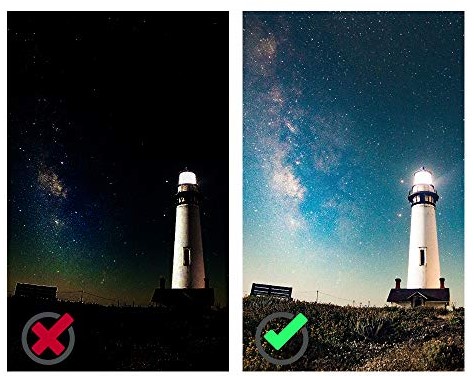
Night Vision Features
Enhanced Nighttime Driving
Choosing the best night vision dash cam for truckers can mean the difference between usable evidence and unusable footage in a claim or dispute. For a complete list of top-rated hardware, see our guide on the best dash cam to get to understand the overall market leaders.
These specialized devices are designed to meet the trucker’s needs, offering features that enhance recording quality in low-light conditions—from infrared illumination and high-sensitivity sensors to WDR and large-aperture lenses. Industry experience and testing show that a dedicated night vision dash cam for semi trucks supports safety, compliance, and defensible evidence for long-haul and regional drivers.
This guide focuses on night vision dash cams tailored for semi trucks and commercial fleets, steering clear of general-purpose dash cams and unrelated truck accessories. Below we review the advanced features that make night driving safer and better documented for truckers.
Table of Contents:
- Infrared Illumination: Enhanced Nighttime Visibility
- High-Sensitivity Sensors: Superior Low-Light Capture
- Extended Night Vision: Broadened Visual Range
- High-Resolution Imaging: Crisp Nighttime Details
- Smart Night Mode: Seamless Transition
- Dynamic Light Balancing: WDR Technology
- Optimized Light Intake: Large Aperture Lenses
- Glare Reduction: Effective Night Vision Filters
- Custom Brightness: Adjustable Exposure
- Versatile Recording: Multiple Night Modes
Understanding Night Vision Dash Cams
In this guide, you’ll discover how infrared illumination, high-sensitivity sensors, and smart night modes enhance visibility and safety during nighttime trucking. With a focus on attributes like dynamic light balancing (WDR), glare reduction, and aperture size, we’ll help you choose and use a night vision dash cam for truck drivers and understand the recording options that matter for evidence and compliance.
Feature | Function | Benefits |
|---|---|---|
| Infrared Illumination | Employs IR LEDs to enhance visibility in the dark | Clear footage in pitch-black conditions is essential for capturing essential footage |
| High-Sensitivity Sensors | Designed to operate in dim environments | Guarantees detailed capture under challenging lighting; crucial for low-light performance |
| Extended Night Vision | Captures distant objects with clarity | Vital for identifying road conditions and hazards; provides a wider perspective |
| High-Resolution Imaging | Essential for capturing sharp details at night | Provides critical footage for incident analysis and legal protection |
| Smart Night Mode | Fine-tunes the dash cam’s settings for optimal nighttime recording | Simplifies operation, ensuring readiness to record around the clock |
| Dynamic Light Balancing (WDR Technology) | Ensures visibility of details across varying lighting conditions | Maintains visual quality in diverse lighting scenarios |
| Optimized Light Intake (Large Aperture Lenses) | Captures more light to improve recording quality | Enhances low-light recording performance; provides a clearer view during nighttime drives |
| Glare Reduction (Night Vision Filters) | Minimizes glare and enhances contrast | Improves recording quality by maintaining visibility and detail |
| Custom Brightness (Adjustable Exposure) | Allows manual control over the brightness of recordings | Enables truckers to fine-tune their dash cams for the best footage |
| Versatile Recording (Multiple Night Modes) | Provides options to adapt the dash cam to driving conditions | Enhances the adaptability of truck dash cams; equips drivers to navigate safely |
Infrared Illumination: Enhanced Nighttime Visibility
Infrared illumination is a pivotal feature of night vision dash cams, employing IR LEDs to enhance visibility in the dark. It is particularly beneficial for semi-truck and commercial fleet dash cams, ensuring clear footage even in pitch-black conditions—such as unlit rural roads or poorly lit yards. While the infrared range may be limited (often 5–15 meters depending on model), high-end night vision dash cams for truckers offer extended reach for broader coverage. This feature is indispensable for capturing essential footage in low-light conditions and is a top priority when comparing options for long-haul or night-shift driving.
High-Sensitivity Sensors: Superior Low-Light Capture
High-sensitivity image sensors are at the core of a night vision dash cam, designed to operate in dim environments and capture more light per frame. Modern 2026 standards, such as the Sony STARVIS 2 sensor, have revolutionized this category. STARVIS 2 technology specifically enhances the signal-to-noise ratio in near-infrared light, providing clearer license plate capture in pitch-black rural environments compared to older sensors.
Sony STARVIS 2 vs. STARVIS 1 (2026 Comparison)
| Technical Specification | STARVIS 1 (Legacy Tech) | STARVIS 2 (Current Standard) | Trucking Impact |
|---|---|---|---|
| NIR Sensitivity | Baseline (1.0x) | 2.0x to 2.5x Increase | Detects hazards in unlit shipping yards at 2x distance. |
| HDR Processing | Multi-Exposure (Motion Blur) | ClearHDR (Single-Exposure) | Captures sharp plates on vehicles moving at highway speeds. |
| Signal-to-Noise Ratio | Standard Gain | +8dB SNR Improvement | Eliminates “graininess” in pitch-black rural driving. |
| Aperture Threshold | f/2.0 or higher | f/1.4 to f/1.8 | Maximizes photon intake for high-speed night recording. |
Modern sensors help guarantee that details such as license plates, road signs, and hazards are captured even under challenging lighting. While increased sensitivity can lead to grainier images in some models, modern noise reduction (2D/3D NR) can mitigate this. High-sensitivity sensors are crucial for low-light performance and are a key differentiator when choosing a night vision dash cam for semi trucks.
Extended Night Vision: Broadened Visual Range
A powerful night vision dash cam extends its effective range into the darkness, clearly capturing distant objects and road geometry. This capability is vital for semi-truck drivers who need to identify road conditions, obstacles, and hazards preemptively. Although effective range is limited by physics and sensor size, dash cams with adjustable IR strength and exposure offer the flexibility needed for varied routes. Extended night vision supports comprehensive nighttime monitoring and gives truckers a broader perspective for safety and evidence.
High-Resolution Imaging: Crisp Nighttime Details
High-resolution recording (e.g., 1080p or 4K) is essential for capturing sharp details at night—critical for incident analysis and legal protection. This is especially important for HD video recording in low light, where resolution and bit rate directly affect readability of plates and faces. The trade-off of higher resolution is increased storage demand; efficient compression (e.g., H.265) and high-endurance cards help address this. Image clarity at night is crucial for truckers who depend on their dash cams for evidence and fleet compliance.
Smart Night Mode: Seamless Transition
The transition from day to night is effortless with smart night mode, which automatically fine-tunes the dash cam’s settings—such as exposure, gain, and sometimes IR—for optimal nighttime recording. This feature simplifies operation and ensures the camera is ready to record around the clock without driver input. While automatic switching is convenient, it may not always match every lighting scenario (e.g., tunnels or dawn/dusk); many night vision dash cams for truck drivers offer manual overrides or sensitivity settings. Smart night mode is a user-friendly feature that adapts to changing natural light and is especially valuable for long-haul routes.
Dynamic Light Balancing: WDR and HDR Engineering
Wide Dynamic Range (WDR) and High Dynamic Range (HDR) technology help night vision dash cams balance light in dark and bright areas within the same scene—for example, oncoming high-beams and dark pavement. Standard WDR handles basic contrast, but 2026-spec multi-exposure HDR ensures that license plates aren’t “blown out” by your own headlights, maintaining detail across the entire luminosity spectrum. This is essential for maintaining visual quality in diverse lighting and is a critical feature to look for in a night vision dash cam for truckers.
Camera Lens Aperture: Optimized Light Intake
A large aperture lens (e.g., f/1.4 to f/1.6) is fundamental to a night vision dash cam, allowing more light to reach the sensor and improving recording quality in low light. The difference between an f/1.8 lens and an f/1.4 lens can be up to 50% more light transmission, which is particularly beneficial in unlit or poorly lit scenarios, yielding clearer footage. Larger apertures can reduce depth of field, but for dash cams focused on the road ahead this is rarely an issue. High-speed, large aperture lenses enhance low-light performance and give truckers a clearer view during nighttime drives.
Glare Reduction: Effective Night Vision Filters
Night vision filters, including IR cut filters that switch by day/night, minimize glare and enhance contrast for clearer night vision. They improve recording quality by maintaining visibility and detail when facing oncoming headlights or reflections. Filters may need adjustment in mixed or transitional light; dash cams with automatic filter switching or software-based glare reduction offer a solution. Night vision filters are a key attribute for reducing flare and improving contrast in night recordings.
Custom Brightness: Adjustable Exposure Settings
Manual or semi-manual exposure control allows truckers to tailor the brightness of their night vision recordings to the environment—for example, darker highways vs. well-lit city streets. This customization supports optimal brightness and reduces over- or underexposure. Manual adjustments can be inconvenient while driving; dash cams with intelligent exposure algorithms or presets provide a practical alternative. Adjustable exposure gives critical control over recording brightness and helps truckers fine-tune their dash cams for the best footage.
Versatile Recording: Multiple Night Modes
Multiple night recording modes (e.g., normal night, low-light, parking) allow truckers to adapt their dash cams to the current driving or parked conditions. This versatility helps ensure the most suitable mode is used for evidence and storage efficiency. Manual mode switching can be distracting; dash cams with automatic or schedule-based mode selection alleviate this. Multiple night vision recording modes enhance the adaptability of truck dash cams and help drivers navigate the darkness safely.
Frequently Asked Questions About Night Vision Features
With an understanding of the advanced features that night vision dash cams offer to semi truck drivers, here are answers to common questions.
1. What is infrared illumination in the context of truck dash cameras?
Answer: Infrared illumination in the context of truck dash cameras refers to using IR LEDs to enhance visibility and recording capabilities in low-light or dark conditions, ensuring clear footage even when natural light is unavailable.
2. How do high-sensitivity sensors improve night vision dash cam performance?
Answer: High-sensitivity sensors improve night vision dash cam performance by capturing more light and providing clearer, more detailed footage in dimly lit environments, which is crucial for truckers driving at night.
3. What is the benefit of having extended night vision in a dash camera for long-haul drivers?
Answer: The benefit of having extended night vision in a dash camera for long-haul drivers is the ability to capture a broader visual range, allowing for early detection of road conditions and potential hazards and enhancing safety during nighttime driving.
4. Why is high-resolution imaging necessary for HD video recording in dash cams?
Answer: High-resolution imaging is essential for HD video recording in dash cams because it ensures that the footage captured is crisp and detailed, providing essential evidence for incident analysis and legal protection.
5. Can you explain smart night mode and how it benefits semi-truck drivers?
Answer: Smart night mode is an automatic feature that adjusts the dash cam’s settings for optimal recording in low-light conditions, benefiting semi-truck drivers by simplifying operation and ensuring the camera is always ready to record, regardless of the time of day.
6. How does Wide Dynamic Range (WDR) technology enhance night vision dash cam footage?
Answer: Wide Dynamic Range (WDR) technology enhances night vision dash cam footage by balancing the light levels in the video’s dark and bright areas, ensuring that details are visible even in contrasting lighting conditions.
7. What role does the camera lens aperture play in night vision dash cams for truckers?
Answer: The camera lens aperture plays a crucial role in night vision dash cams for truckers by allowing more light to enter the lens, which improves recording quality in low-light scenarios, providing clearer footage during nighttime drives.
8. How do night vision filters like IR cut filters improve recording quality at night?
Answer: Night vision filters like IR cut filters improve recording quality at night by reducing glare and enhancing contrast, which maintains visibility and detail in the footage captured by the dash cam.保存
9. What is the advantage of adjusting exposure settings on a trucker’s dash cam?
Answer: The advantage of having adjustable exposure settings on a trucker’s dash cam is the ability to manually control the brightness of the recording, allowing for customization to achieve optimal visibility in various nighttime driving environments.
10. Why are multiple night vision recording modes important for dash cam transporters?
Answer: Multiple night vision recording modes are essential for transporters using dash cams because they provide the flexibility to select the most appropriate mode for the current driving conditions, enhancing the camera’s adaptability to different nighttime scenarios.
Let us know how this information has helped you, and don’t hesitate to dive deeper into our resources for everything you need to know about dash cameras.
Takeaways and Conclusion
The features we’ve explored are interconnected, each playing a role in ensuring that night vision dash cams provide the best possible footage for truck drivers. These devices are not just about recording; they enhance safety, provide legal protection, and offer peace of mind for nighttime and long-haul operations.
- Night vision dash cams provide enhanced visibility and clear footage in low-light conditions, making them essential for safety and compliance during nighttime driving.
- High-sensitivity sensors in night vision dash cams ensure superior capture of details in dim environments, offering clear footage even in challenging lighting.
- Extended night vision capabilities allow for a broader visual range, enabling truckers to identify road conditions and hazards in the distance.
- High-resolution imaging in night vision dash cams captures sharp details at night, providing critical footage for incident analysis and legal protection.
- Smart night mode and dynamic light balancing features adapt to changing lighting conditions seamlessly, ensuring optimal recording settings without driver input.