One Dash Camera Guide for Every Vehicle in Your Garage
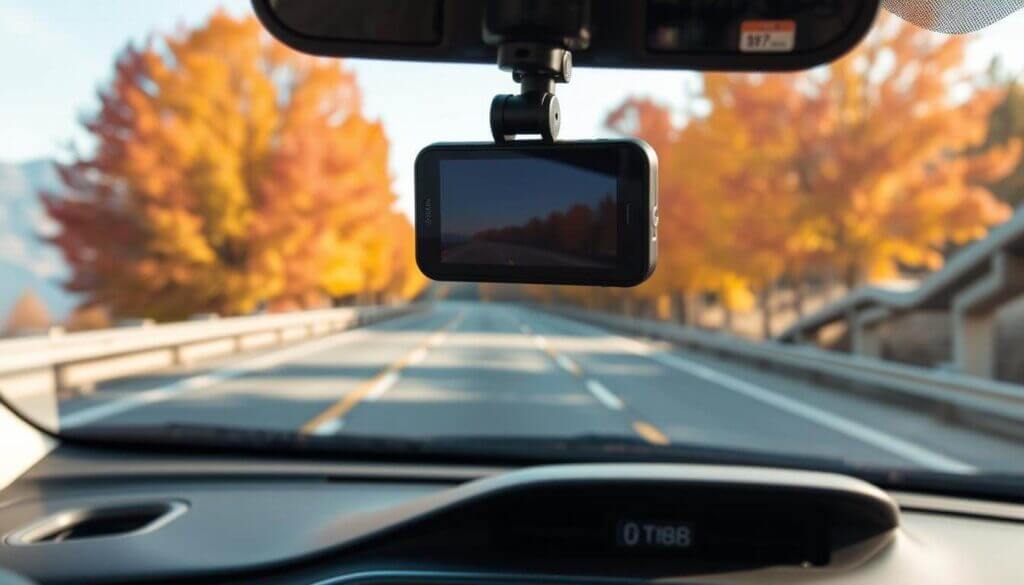
Let Dash Camera Gear be your go-to guide for selecting, installing, and maintaining the right dash cam for your car, truck, motorcycle, or RV.
Whether it’s the family sedan, a commercial truck, a weekend motorcycle, or the RV you take cross-country every summer, each vehicle needs a different camera setup.
We are the how-to guide to help you select, install, and maintain the right consumer automotive dash camera for every ride in your garage.
Single-channel budget cams, 3-channel cabin surveillance for rideshare drivers, rugged, waterproof motorcycle mounts, and wide-angle backup systems for oversized vehicles – we’ve got you covered.
One site, every vehicle, the same standard: Sony STARVIS 2 clarity that holds up when it matters.
Choosing Your Security Tier
Follow this 5-step forensic logic to identify the optimal camera system for your vehicle:
- Identify Vehicle Profile: Are you protecting a passenger car, a commercial semi-truck, or a high-vibration motorcycle?
- Define Channel Requirements: Do you need 1-Channel (Front), 2-Channel (Front/Rear), or 3-Channel (Front/Rear/Cabin) protection?
- Select Sensor Tier: Prioritize Sony STARVIS 2 for 4K evidence grade or STARVIS 1 for budget-optimized 1080p recording.
- Infrastructure Check: Ensure your storage is a High-Endurance card to prevent loop-recording data corruption.
- Power Logic: Will you use a Supercapacitor-based hardwire kit for 24/7 Parking Mode or a standard 12V adapter for commute-only recording?
Navigating the Dash Cam Ecosystem
Selecting the right camera gear requires understanding the three types of vehicle recording. Use our guides to choose the hardware that fits your needs:
- Expert Hardware Rankings: Review our benchmarks for the best dash cam to get, focused on raw sensor performance and thermal reliability.
- Budget-Optimized Solutions: Discover top-rated car dash cams that deliver 4K excellence without a premium price tag.
- Safety & Maintenance: Access our dash cam repair and support hub to troubleshoot SD card errors and storage corruption.
2026 Technical Density Standards
To ensure your recorded footage is admissible and actionable, your hardware must meet these density benchmarks:
| Attribute | Evidence-Grade Value | Performance Rating |
|---|---|---|
| Image Sensor | Sony STARVIS 2 (IMX678) | ★★★★★ (Elite Low Light) |
| Dynamic Range | True HDR (High Dynamic Range) | ★★★★★ (Anti-Glare) |
| Power Architecture | Supercapacitor Powered | ★★★★☆ (Thermal Stability) |
| Data Storage | High-Endurance MLC NAND | ★★★★☆ (Write Reliability) |
Automotive Recording by Vehicle Class
We provide specialized technical guidance for different vehicle setups and use cases:
- Trucking & Fleet: Deploy triple-channel dash cams for semi-trucks to monitor blind spots and secure cargo.
- Rideshare & Uber: Install interior cabin-view dash cams to mitigate liability and record internal disputes.
- Motorcycle Touring: Equip your bike with rugged motorcycle dash cam systems designed for high-vibration exposure.
- RV & Motorhome: Install wide-angle dash cameras with a backup view for enhanced large-vehicle maneuvering safety.
Strategic Troubleshooting: Solving Common Hardware Failures
If your dash camera isn’t working, verify these three common problems before replacing hardware:
- SD Card ‘Format Required’ Loop: This signals flash-cell exhaustion. Replace your card with a dedicated High-Endurance model.
- Parking Mode Battery Drain: Ensure your hardwire kit features a low-voltage cutoff set to at least 12.2V to protect your vehicle’s lead-acid battery.
- Unexplained Power Resets: Check for oxidation at the 12V socket or loose internal soldering on the supercapacitor (common in low-budget lithium models).
Privacy & Compliance: Legal Automotive Recording
As AI-powered dash cams become the standard, data management and compliance are critical. Review our latest guides on dash cam data privacy laws and BIPA compliance to ensure your surveillance methods remain within legal boundaries.
Frequently Asked Questions: Automotive Dash Camera Research
How to choose the best dash cam for a car?
Choosing the best consumer automotive dash camera requires reviewing the sensor type, resolution, and heat resistance. For 2026, we recommend cameras with Sony STARVIS 2 sensors, as they offer the highest license plate recognition success rate. Avoid lithium-battery models; prioritized hardware should always utilize supercapacitors for long-term safety.
Are mirror dashcams any good for evidence?
Mirror-style dash cameras are excellent for improving rear visibility, but they must be reviewed carefully for recording quality. While they provide a larger display for the driver, ensure the front-facing camera features at least 4K resolution to maintain forensic utility. Mirror cams are best used in larger SUVs or vans where the traditional rear-view is obstructed by cargo.
Which dash cam brands focus on personal privacy protection?
Privacy-conscious drivers should look for dash cams that offer local storage only (SD card) rather than mandated cloud uploads. Brands that comply with the latest privacy regulations often include a physical toggle to disable microphones and offer local Wi-Fi for data transfer, ensuring your telemetry remains on your device. Review our AI privacy guide for deeper technical comparisons.
What is the best spot to install a hidden dash cam in a car?
The ideal location for a hidden or stealth dash cam is directly behind the rearview mirror on the passenger side. This placement hides the device from the driver’s line of sight while ensuring the lens is centered and has a clear view of the road. For more information, see our stealth dash cam mounting guide.
What size SD card is best for 4K dash cam recording?
High-resolution 4K recording generates large file sizes (often 100Mbps+). We recommend a minimum of a 128GB high-endurance SD card to ensure you have enough loop-recording overhead for multi-hour trips. Always verify that your card is rated for “High Endurance” to withstand the constant write cycles typical of dash camera black boxes. Read our SD card compatibility deep dive for brand recommendations.

Reliable dash cam reviews and technical rankings—because when you need proof, the details matter.
