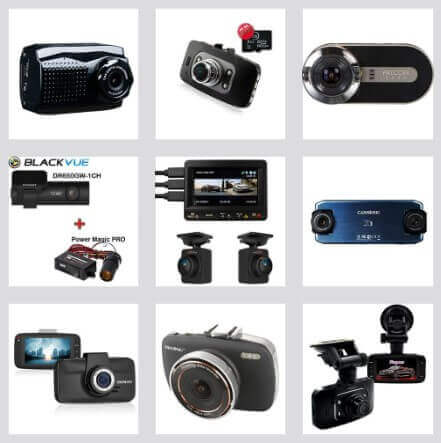
Dash Camera Types: 8 Different Configurations Explained
Choosing the right dash camera—whether it’s a front-facing, dual, cabin view, 360-degree, smart, or reverse camera—can feel like navigating a maze. There are many options available, each with different features and configurations.
With so many dash camera types, such as single-lens, dual-channel, and panoramic configurations, out there, how do you know which one fits your needs?
At a glance
- Eight main types: Front-facing, rear-facing, dual (front + rear), cabin view, driver monitoring, 360-degree, reverse, and smart dash cameras.
- Coverage: From single-lens front-only to full 360° and interior cabin recording.
- Best for: Basic evidence (front-facing), rideshare/interior (cabin), full protection (360°), parking (reverse), tech features (smart).
- Configurations: Single-channel, dual-channel, dual-lens, panoramic, and 360-degree systems.
Let’s break it down step by step so you can make the best choice for your car and have total peace of mind when you hit the road.
Comparison of Dash Camera Types
| Camera Type | Coverage Area | Ideal For | Key Features |
|---|---|---|---|
| Front-Facing | Front of vehicle | Basic recording needs | Affordable, easy installation |
| Rear-Facing | Rear of vehicle | Extra rear coverage, tailgating concerns | Records rear activity helps with parking |
| Dual Dash Camera | Front and rear of the vehicle | Comprehensive driving coverage | Front and rear recording |
| Cabin View Camera | Front and interior of the vehicle | Rideshare drivers, parents | Records inside the vehicle |
| Driver Monitoring Camera | Interior of vehicle | Safety monitoring, distracted driving prevention | Tracks driver behavior, improves safety |
| 360-Degree Camera | All around vehicle | Full protection | Complete view, parking assistance |
| Reverse Camera | Rear of vehicle | Parking and reversing assistance | Helps reduce blind spots when backing up |
| Smart Dash Camera | Front (often with other views) | Tech enthusiasts | Wi-Fi, GPS, voice commands |
Front-Facing Dash Cameras: The Basics
If you’re looking for a straightforward option, a front-facing dash camera is your go-to. This type of dash cam records everything happening in front of your vehicle. It’s perfect if you want to keep an eye on road conditions, protect yourself in case of an accident, or simply capture those unexpected moments that happen during your journey.
Front-facing dash cams, which are a key component of a basic dash cam configuration, are typically the most affordable and easiest to install. Compared to other camera types, they are a great starting point for beginners due to their simplicity and cost-effectiveness. This makes them an ideal choice for beginners who need straightforward vehicle camera coverage without additional complexity. Many front-facing models offer 1080p or 1440p resolution, loop recording, and G-sensor impact detection—core features that support reliable incident documentation.
Compared to more complex systems like dual dash cams or 360-degree cameras, front-facing models are simpler, require less setup, and provide straightforward coverage, which is perfect for those just getting started. They provide clear and consistent footage, which can be invaluable when you need evidence for insurance claims or if you’re involved in any incidents on the road.
Is it for you? If you’re mostly concerned about recording your drives and don’t need much else, this is a great starting point. It’s also a solid choice if you’re on a budget or if you just want a simple solution without a lot of extra features to manage.

- 💖💖【Important...
- 【4K 2160P...
- 【Advanced 5GHz...
- 【No Screen & Less...
- 【Compact and Super...
Rear-Facing Cameras: Essential Rear Coverage
Rear-facing cameras are designed to record activity behind your vehicle. Unlike front-facing cameras, rear-facing cameras provide coverage of incidents at the back, such as rear-end collisions or when another vehicle is following too closely. They are often included in dual dash camera setups or can be used as standalone units for extra rear coverage. A dedicated rear-facing lens helps capture license plates and driver behavior in tailgating or hit-and-run scenarios.
Rear-facing cameras provide valuable evidence in case of accidents, especially when determining fault in rear-end collisions. They can also help with parking and reversing, offering a clear view of obstacles behind the vehicle, making them an important component for safety and security.
Who should consider it? If you frequently drive in heavy traffic, have concerns about tailgating, or simply want a comprehensive view of everything happening around your vehicle, a rear-facing camera is a smart addition to your dash cam setup.

- 4-Channel Dash Cam...
- Time-Lapse Recording...
- Enhanced Night...
- Optional GPS for...
- 5GHz Wi-Fi & App...
Dual Dash Cameras: Covering More Ground
A dual dash camera, also known as a front and rear camera or a dual-channel system, records both the road ahead and behind you, providing comprehensive coverage with its dual-lens configuration. This setup offers comprehensive coverage, capturing both front and rear incidents like rear-end collisions. This is helpful for insurance claims, especially when fault is disputed. It’s like having extra eyes watching your back, ensuring no detail is missed. Dual-channel systems typically record both streams simultaneously to a single storage card and may offer a single power connection for simpler installation.
Who needs it? If you’ve ever worried about getting hit from behind, or if you live in an area with heavy traffic and want a more detailed view of everything happening around you, a dual dash cam is worth considering.
- Extra Safety: Provides both front and rear coverage for a complete picture of incidents.
- Better Evidence: Useful for insurance claims when determining who is at fault.
- Simple Installation: Typically easy to set up for those who want extra protection without a hassle. The added security of having two viewpoints ensures you don’t miss crucial footage, making it easier to prove what really happened in the event of an accident.

- True 4-Channel...
- Note: This Dash Cam...
- 48-Hour Parking...
- Wi-Fi 6 (5.8 Ghz...
- Loop Recording...
Cabin View Cameras: Keep an Eye on the Inside
Cabin view cameras, also known as interior cameras, are popular among rideshare drivers, parents, and road trip enthusiasts for their ability to monitor both the road and vehicle interior, offering a driver monitoring camera solution that enhances safety and accountability. These dash cams not only record the road but also capture what’s happening inside the car. This type of dash cam is great for added security, keeping passengers accountable, or even just capturing fun moments during a long drive. Interior-facing lenses often use infrared (IR) for night visibility inside the cabin.
For example, a rideshare driver might use a cabin view camera to document a late-night ride, ensuring both their safety and that of their passengers. Parents can also use cabin view cameras to monitor kids in the backseat, making sure everyone is safe and behaving properly during the ride, especially on longer trips when distractions are more likely.
Is this for you? If you’re driving others for a living or want a full record of what’s going on in your vehicle, a cabin view camera adds that extra layer of detail.
- Rideshare Security: Helps rideshare drivers document interactions with passengers for added safety.
- Parental Monitoring: Allows parents to keep an eye on children in the backseat during drives.
- Road Trip Fun: Great for recording fun memories with family and friends during long trips.

- Detail Rich HD Video...
- Night Vision...
- Adjustable Recording...
- Quick Installation...
- Compatibility...

Driver Monitoring Cameras: Safety Inside the Vehicle
Driver monitoring cameras are a specialized type of interior camera focused on tracking the driver’s behavior. For example, a delivery company implemented driver monitoring cameras to ensure their drivers stayed alert and focused, reducing incidents of distracted driving and improving overall safety. One driver shared how the camera’s drowsiness detection feature helped them realize they needed a break, potentially preventing an accident. These systems often use facial recognition and eye-tracking algorithms to detect fatigue or distraction.
These cameras help monitor signs of drowsiness, distraction, or unsafe driving habits, providing an additional safety layer for those inside the vehicle. They can be particularly beneficial for commercial drivers or parents wanting to ensure responsible driving.
Who can benefit? If you’re concerned about driver safety or want to reduce the risks associated with distracted driving, a driver monitoring camera is a great option. It keeps track of important details, helping you stay focused and safe on the road.
- Drowsiness Detection: Alerts the driver if signs of fatigue are detected.
- Distraction Monitoring: Helps ensure the driver remains attentive by detecting when their eyes are off the road.
- Improved Safety: Useful for commercial drivers, rideshare operators, and parents to maintain safe driving habits.

- AI facial...
- High-speed DMS...
- Advanced night...
- Real-time alarm...
- Dashboard...
360-Degree Dash Cameras: All-Around Protection
For those who want maximum coverage, 360-degree dash cameras, also known as panoramic cameras, are the top-tier option for all-around vehicle protection. This type of dash cam component ensures that every angle is covered without any blind spots, providing unparalleled surveillance. These vehicle cameras give you a complete view of your car, making sure nothing is left out. They’re especially useful for parking situations, where side impacts or other vehicles can be a concern. Multi-camera systems stitch feeds into a single view or offer split-screen playback for comprehensive evidence.
A 360-degree camera ensures that you have a full and uninterrupted view of everything happening around your car—front, back, and sides—leaving no blind spots. It’s the ideal choice for those who want the ultimate level of protection.
Who benefits? If you’re serious about full coverage or live in an area where parking dings are a frequent worry, 360-degree cameras are the ultimate solution. They provide an all-around perspective that’s beneficial for everything from avoiding parking lot scrapes to having proof of side impacts. This type of dash cam can be a game-changer for those who often park in busy areas or simply want the peace of mind that comes with complete surveillance.
- 4-Channel Dash Cam...
- Time-Lapse Recording...
- Enhanced Night...
- Optional GPS for...
- 5GHz Wi-Fi & App...
Reverse Cameras: Extra Help When Backing Up
Reverse cameras, also known as rear-facing cameras, are specifically designed to help you when backing up your vehicle, providing an essential dash cam component for reducing blind spots and assisting with parking. They provide a clear view of what’s behind you, reducing blind spots and making parking or reversing much safer. Many integrate with the vehicle’s display or a dedicated monitor and may include dynamic guidelines to show turning radius.
While not always a standalone dash cam, many systems include this as a component, which helps improve overall safety. These cameras are especially handy for larger vehicles or SUVs, where seeing what’s directly behind you can be challenging.
Is it for you? If parking or reversing in tight spaces is a concern, a reverse camera is an invaluable addition. It helps guide you safely and can prevent minor accidents and fender benders that occur while reversing. Whether you live in a crowded city with tight parking or just want extra assistance when backing up, a reverse camera makes maneuvering easier and safer.

- 1 MINUTE MAGNETIC...
- SCREEN RESOLUTION...
- POWERFUL DIGITAL...
- EXTRA LONG 24-HOUR...
- POWER-SAVING AUTO...
Smart Dash Cameras: Tech-Savvy Options
Looking for something a bit more advanced? Smart dash cameras, which include features like Wi-Fi connectivity, GPS tracking, voice commands, and cloud storage, are designed for drivers who value tech integration and want more convenient ways to access and manage footage. These extras make it easier to manage footage, tag locations, and share videos when needed. Cloud backup and smartphone apps allow remote viewing and sharing without removing the memory card.
Many smart dash cams are designed with user-friendly apps that allow you to access live footage directly from your phone, making them more versatile and easier to use. They’re perfect for people who want more integration with their devices and enjoy having instant access to recordings without having to manually transfer files.
Should you get one? If you love staying on top of the latest tech or want easy ways to access and share your footage, a smart dash camera could be right up your alley. The added features like GPS tracking can also help you review routes or monitor where your car has been, which is especially useful for families or business owners keeping track of vehicles.

- [ 3 Channel Dash Cam...
- [ 4K Dash Cam Front...
- [ STARVIS 2 Night...
- [ GPS and 5GHz WiFi...
- [ Parking Mode, Time...
Dash Cam Configurations and Systems Explained
Understanding different dash cam configurations is key to choosing the right model for your needs. Here’s a closer look at some popular configurations:
The setup of your dash cam can vary depending on the number of cameras and their positioning. From single-lens setups that only record the front to multi-lens systems that cover multiple angles, choosing the right configuration helps you get the coverage you need. Consider storage capacity and power draw when moving to multi-channel setups.
| Configuration Type | Description |
|---|---|
| Dual-Channel System | A dual-channel system includes two cameras, usually one for the front and one for the rear. This provides more comprehensive coverage, which is great for accident protection and evidence. |
| Dual-Lens System | Similar to the dual-channel system, a dual-lens dash cam has two lenses in one unit. It can capture both the front and rear or sometimes the front and interior, making it convenient for those who need a compact solution. |
| Panoramic Camera | Panoramic cameras provide a wide view, often covering 180 degrees or more. They’re ideal for capturing everything happening in front of your vehicle, ensuring no details are missed. |
| 360-Degree Camera | This is the ultimate in dash cam coverage, recording everything around your vehicle. It’s especially useful for those who need complete coverage for safety and peace of mind. |
Choosing the Right Dash Camera for You
So, how do you decide? Start by asking yourself a few questions:
- Are you just looking for basic protection, or do you want coverage from every angle? A front-facing dash cam is a good start for basic needs, while a 360-degree model offers comprehensive protection.
- Do you drive passengers often and need interior recording? Cabin view cameras are ideal for rideshare drivers or parents.
- Do you want to access your footage on the go with your phone? Smart dash cams with Wi-Fi can provide instant access and make footage management easier.
- Do you need a dash cam configuration that includes both front and rear coverage, like a dual-lens system? This will give you more comprehensive footage for incidents that happen from behind.
- Are you concerned about driver safety and monitoring behavior? A driver monitoring camera can help keep the driver alert and focused, reducing risky behavior on the road.
Your answers will help narrow down the best dash cam for your needs. Whether you want simple front coverage, a full tech-packed 360-degree setup, or the ability to record both the inside and outside of your vehicle, there’s a model out there to match your driving lifestyle. It’s important to think about what kind of driving you do, what your biggest concerns are, and how much you’re willing to invest in your safety and security.
Frequently Asked Questions About Dash Camera Types
What is the difference between a single-lens and a dual-lens dash cam?
A single-lens dash cam records only the road in front of your vehicle and is typically more affordable and easier to install. A dual-lens (dual-channel) dash cam records both the front and rear (or front and cabin), giving you broader coverage and stronger evidence for insurance or incidents from behind.
Which dash camera type is best for rideshare drivers?
Cabin view (interior) dash cameras are ideal for rideshare drivers because they record both the road and the interior of the vehicle, helping document passenger interactions and improving safety and accountability.
Do I need a 360-degree dash cam?
A 360-degree dash cam is best if you want maximum coverage with no blind spots—useful for parking, side impacts, and comprehensive evidence. If you only need front or front-and-rear coverage, a front-facing or dual dash cam may be enough and more budget-friendly.
What does a driver monitoring camera do?
Driver monitoring cameras track the driver’s behavior and can detect drowsiness, distraction, or eyes off the road, sending alerts to help improve focus and safety. They are especially useful for commercial drivers and fleets.
Can a reverse camera work as a dash cam?
Reverse cameras are mainly for parking and backing up; they may not continuously record or store footage like a dash cam. For full rear coverage and recording, a rear-facing or dual-channel dash cam is the better choice.
Are smart dash cameras worth it?
Smart dash cams add Wi-Fi, GPS, apps, and sometimes cloud storage, making it easier to view, share, and manage footage without removing the memory card. They are worth it if you value convenience and tech integration.
What is a dual-channel dash cam?
A dual-channel dash cam uses two cameras (usually front and rear) that record at the same time to one unit and often one memory card, giving you comprehensive front and rear coverage for evidence and safety.
Which dash cam type is best for insurance claims?
Front-facing dash cams capture forward incidents; dual (front + rear) dash cams are better when rear-end or disputed fault is involved. 360-degree or cabin view can provide additional angles and context that strengthen your claim.
Do cabin view cameras record at night?
Many cabin view cameras include infrared (IR) or night vision for the interior, so they can record inside the vehicle in low light—important for rideshare and nighttime driving.
How do I choose between front-only and multi-camera dash cams?
Choose a front-facing dash cam if you want simple, affordable coverage and basic evidence. Choose a dual, cabin, or 360-degree system if you need rear coverage, interior recording, or full surround visibility for safety and evidence.
Final Thoughts
Finding the right dash camera, whether it’s a front-facing, dual-channel, interior, panoramic, or smart model, is all about understanding what kind of dash cam configuration makes you feel most secure. Check out our product recommendations to explore different models and find the one that best suits your needs. From basic front-facing models to 360-degree smart cams, there’s something for everyone.
Each type of dash cam has its own unique benefits, so consider what features you value most—whether it’s high-tech connectivity, comprehensive multi-angle coverage, or just basic front-view recording. Think about what matters most to you when you’re behind the wheel, and you’ll be well on your way to finding the perfect fit.
Ready to explore your options? Click here to find your ideal dash cam today, and take a look at some of our favorite dash cameras to see which one works with your needs.
Related Reading: Learn about the 20 Dash Cam Features To Know About Before Buying
DashCameraGear.com is a participant in the Amazon Services LLC Associates Program, an affiliate advertising program designed to provide a means for sites to earn advertising fees by advertising and linking to Amazon.com, Amazon.co.uk, Amazon.ca, and other Amazon stores worldwide. The prices shown above were last updated on 2026-10-23 at 00:06. See Amazon's 30 Day Return Policy.
