Geospatial Telemetry and Route Logging Mechanisms for Commercial Fleets
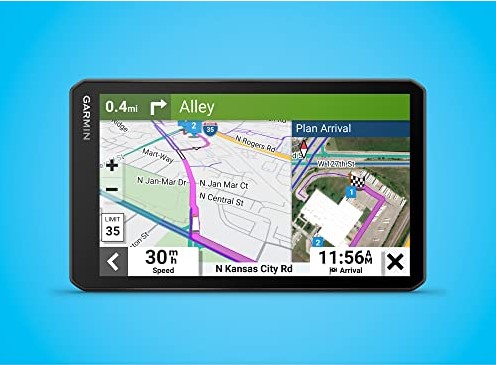
Dash Cam with GPS Features
Reliable Location Tracking
A dash cam with GPS for truckers is not just a gadget—it’s a critical component for semi-truck drivers and fleet operators navigating the complexities of modern transportation. Choosing the right GPS-enabled dash cam for commercial trucks can improve safety, compliance, and incident documentation.
These specialized devices combine high-definition video recording with precise navigational data tailored to the demands of commercial trucking and long-haul operations. Industry best practices and real-world use show that a GPS dash cam for semi trucks supports route verification, hours-of-service context, and defensible evidence for insurance and disputes.
With a focus on learning, this guide explores the features of GPS-integrated dash cams designed for the long haul, including route tracking, real-time location sharing, speed and geofence alerts, and how to get the most from a dash cam with GPS for truckers.
Table of Contents:
- Route Tracking Accuracy
- Real-Time Location Sharing
- Speed Limit Alerts
- Geo-Fencing Capabilities
- GPS Data Overlay
- GPS Log Syncing
- GPS Signal Strength
- GPS Event Tagging
- Fleet GPS Management
- Anti-Theft GPS Tracking
Enhancing Commercial Trucking with GPS Technology
A dash cam with GPS for truckers is a device that combines a camera and a GPS receiver to provide valuable features for truck drivers and fleet managers. Key attributes include route history, speed and coordinate logging, and—on many models—integration with fleet telematics data. For 2026, 4K dual-channel units with Sony STARVIS 2 sensors and 5GHz Wi-Fi are the gold standard, as they process telemetry-rich video at 30-45 Mbps high-bitrate. This ensures that GPS-stamped evidence remains Forensic-grade even in low-light environments. Because recording reliability depends on hardware specs, we suggest reviewing our dash cam guide for beginners to understand core features—like STARVIS 2 sensors and high-bitrate encoding—that turn simple clips into reliable legal evidence. Below we take a closer look at the main features of a GPS-enabled dash cam for semi trucks.
Feature | Function | Benefits |
|---|---|---|
| Route Tracking Accuracy | Records the exact vehicle path using advanced satellite technology | Crucial for logistics planning and dispute resolution |
| Real-Time Location Sharing | Allows for the sharing of a truck’s location in real-time | Enhances fleet management and can be lifesaving in emergencies |
| Speed Limit Alerts | Alert drivers when they exceed the speed limit | Maintains safe driving practices and ensures compliance with road regulations |
| Geo-Fencing Capabilities | Notifies drivers when their vehicle exits a designated area | Improves cargo security and prevents unauthorized vehicle use |
| GPS Data Overlay | Displays GPS data directly on video footage | Provides context for recorded events, aiding in incident analysis |
| GPS Log Syncing | Ensures GPS data is in sync with dashcam footage | Creates a comprehensive record of a truck’s journey for accountability |
| GPS Signal Strength | Ensures reliable location tracking | Provides consistent navigation assistance |
| GPS Event Tagging | Marks significant events based on location | Streamlines incident analysis for fleet managers |
| GPS for Fleet Management | Manages an entire fleet via GPS | Allows for real-time adjustments and strategic planning |
| GPS Theft Protection | Tracks a dash cam if stolen | Offers a layer of security and aids in the recovery of stolen property |
Route Tracking Accuracy: Navigational Precision
A main ingredient of any reliable commercial truck dash camera system is its high-precision GPS, which meticulously records the vehicle’s path with timestamps and coordinates. The technology relies on satellite signals (e.g., GPS and often GLONASS) to capture every movement with remarkable accuracy—typically within a few meters—which is vital for logistical planning, route optimization, and incident resolution. Although signal disruptions can occur in tunnels or dense urban canyons, advanced dash cams use corrective algorithms and sometimes dead-reckoning to ensure consistent and trustworthy route data for truckers.
Real-Time Location Sharing: Connectivity on the Go
The live GPS broadcasting feature enables immediate sharing of a truck’s location with dispatch, safety managers, or family. This capability is essential for fleet managers and emergency responders, providing instant updates to streamline operations and support rapid response. Real-time location from a dash cam with GPS for truckers can also complement ELD and telematics platforms. While privacy is a consideration, responsible use with clear policies and appropriate safeguards ensures the benefits—including driver safety and cargo security—are fully realized.
Speed Limit Alerts: Driving Within the Law
A semi-truck dash cam that monitors speed through GPS helps drivers adhere to speed regulations and stay within posted limits, promoting safer driving habits and reducing liability. By leveraging GPS-based speed limit databases, the dash cam alerts the driver when they exceed the limit or approach a zone change, fostering compliance and supporting CSA and safety scores. Regular system maintenance and occasional map updates can address calibration or database issues, ensuring these critical alerts remain reliable for commercial truck drivers.
Geo-Fencing Capabilities: Boundary Management
Geo-fencing uses GPS to notify drivers or fleet managers when a vehicle enters or leaves a predefined geographic area, offering an extra layer of security and control. This function is especially beneficial for cargo safety, yard management, and preventing unauthorized use or route deviations. Geofences can be set around terminals, customer sites, or restricted zones. Despite potential signal limitations in remote areas, continuous improvements in GPS and cellular connectivity are enhancing geofencing effectiveness for trucking operations.
GPS Data Overlay: Insightful Incident Analysis
Overlaying GPS data on video footage—such as speed, coordinates, time, and sometimes heading—provides context to recorded events and aids in incident analysis and insurance claims. This feature merges location information with visual evidence, making it easier to verify where and how an event occurred. Some dash cams with GPS for truckers allow customizable overlay elements. User-friendly designs and clear playback software help drivers and fleet managers navigate these features with ease.
GPS Log Syncing: Comprehensive Record Keeping
Synchronizing GPS logs with video footage creates a detailed, timestamp-aligned record of a truck’s journey, which is indispensable for accurate documentation, driver accountability, and legal evidence. When every frame can be tied to a location and speed, dispute resolution and compliance audits become straightforward. While data storage and management can be challenging for large fleets, robust systems, cloud backup options, and high-endurance memory cards help maintain the integrity of GPS log syncing over the long haul.
GPS Signal Strength: Uninterrupted Tracking
A strong GPS signal is crucial for consistent location tracking and for features that depend on it, such as speed alerts and event tagging. High-quality dash cams for truckers are engineered with sensitive antennas and filtering to maintain signal reception despite cab structure, weather, or terrain. Some models support multi-constellation reception (e.g., GPS + GLONASS) for better coverage. Understanding and mitigating signal issues—such as antenna placement and periodic updates—underscores the importance of reliable GPS for uninterrupted navigation and evidence quality.
GPS Event Tagging: Detailed Incident Marking
Event tagging with GPS coordinates marks important occurrences (e.g., harsh braking, impact, or manual trigger) with precise location and time, enriching dash cam footage for fleet managers and safety teams. This function streamlines incident reviews, supports driver coaching, and strengthens evidence for claims. Accuracy depends on a solid GPS fix and correct time sync; with those in place, the benefits of event tagging in fleet operations are substantial and well recognized in the trucking industry.
Fleet GPS Management: Streamlined Fleet Oversight
Integrating GPS dash cam data into fleet management systems provides a comprehensive view of fleet activities—location, routes, driving behavior, and incident clips—enabling real-time adjustments and strategic decisions. Fleet managers can identify trends, optimize routes, and ensure compliance with hours of service and company policies. While managing large fleets can be complex, modern GPS and telematics technology equips operators with the data and tools to run operations effectively and safely.
Anti-Theft GPS Tracking: Protecting Your Investment
GPS tracking for theft protection offers truck and dash cam owners an extra layer of reassurance by supporting recovery if the unit or vehicle is stolen. This feature can act as both a deterrent and a recovery aid when combined with visible signage or alerts. Coverage may depend on cellular or satellite connectivity and subscription plans. Despite potential limitations, the security and peace of mind it provides are valued by many truckers and fleet operators.
Frequently Asked Questions
Now that you understand the advanced features and benefits of a GPS-integrated dash cam for truckers, here are answers to common questions.
1. What is the accuracy of the route tracking in a night vision dash cam with GPS for truckers?
A: The accuracy of the route tracking in a night vision dash cam with GPS for truckers is remarkably high, thanks to high-precision GPS technology that records the vehicle’s path using satellite signals, ensuring detailed and reliable route data for logistical planning and incident resolution, day or night.
2. Can the real-time location-sharing feature compromise a truck driver’s privacy?
A: The real-time location-sharing feature is designed with privacy in mind, and while it provides instant updates crucial for fleet management and emergency response, responsible use with appropriate safeguards maintains the truck driver’s privacy.
3. How do speed limit alerts work on a GPS-enabled dash cam for trucks?
A: Speed limit alerts on a GPS-enabled dash cam for trucks function by using GPS data to monitor the vehicle’s speed and alert the driver when they exceed the speed limit, promoting adherence to traffic laws and safer driving habits.
4. What are the benefits of geo-fencing capabilities in a commercial truck dash cam with GPS?
A: Geo-fencing capabilities in a commercial truck dash cam with GPS offer enhanced security by notifying drivers when their vehicle exits a predefined area, which is particularly useful for cargo safety and preventing unauthorized vehicle use.
5. How does GPS data overlay assist in incident analysis for semi-truck drivers?
A: GPS data overlay assists in incident analysis for semi-truck drivers by providing contextual information and merging location data with visual evidence from the dash cam footage, which is invaluable for accurate incident review and legal purposes.
6. How important is GPS log syncing in fleet GPS management?
A: The importance of GPS log syncing in fleet GPS management lies in its ability to create a comprehensive travel record by synchronizing GPS data with video footage, which is indispensable for accurate documentation and can serve as legal evidence.
7. How does a strong GPS signal enhance the functionality of a heavy-duty truck dash cam with GPS?
A: A strong GPS signal enhances the functionality of a heavy-duty truck dash cam with GPS by ensuring uninterrupted tracking and reliable navigation, which is critical for consistent location tracking in various environmental conditions.
8. What is the role of GPS event tagging for long-haul trucks in a GPS dash cam?
A: The role of GPS event tagging in a GPS dash cam for long haul trucks is to mark significant occurrences with precise location details, streamlining incident reviews and enriching the footage with valuable data for fleet managers.
9. How does GPS integration improve overall fleet management for trucking companies?
A: GPS integration improves overall fleet management for trucking companies by providing a comprehensive view of fleet activities, enabling real-time adjustments, strategic decision-making, and optimization of fleet operations through accurate GPS data.
10. What are the advantages of anti-theft GPS tracking in a multi-feature GPS truck dash cam?
A: The advantages of anti-theft GPS tracking in a multi-feature GPS truck dash cam include providing truck owners with peace of mind by offering a means to track the dash cam if stolen, serving as both a deterrent to theft and a recovery tool.
Takeaways and Conclusion
A dash cam with GPS for truckers is a transformative tool for semi-truck drivers and fleet managers, offering features beyond simple video recording. By integrating a GPS-enabled dash cam into their rigs, users gain enhanced safety measures, security, and operational efficiency. These systems address the unique challenges of commercial trucking—from route verification and speed compliance to incident documentation and theft protection—providing comprehensive solutions for the road ahead.
- GPS-integrated dash cams deliver a range of features that bolster safety and streamline trucking operations.
- Precise route tracking and live location updates are crucial for effective fleet oversight.
- Alerts for speed limits and geo-fencing enhance driving safety and security measures.
- The integration of GPS data with video footage offers valuable insights and accountability.
- Reliable GPS signal and event tagging are essential for consistent navigation and detailed incident analysis.